Coastal rodents like the semi-aquatic marsh rice rat native to tidal zones and invasive roof rats regularly exploit architectural vulnerabilities in coastal South Carolina residences. According to biology standards…
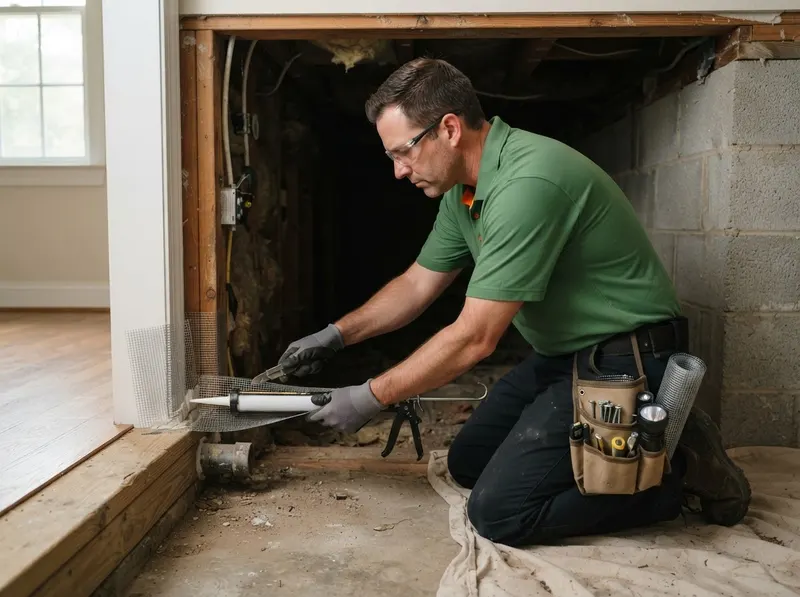
Coastal rodents like the semi-aquatic marsh rice rat native to tidal zones and invasive roof rats regularly exploit architectural vulnerabilities in coastal South Carolina residences. According to biology standards from the Clemson University Cooperative Extension, these rodents penetrate structural openings as narrow as 1/2 inch to escape saturated riverbanks, high astronomical tides, and hurricane surges across Charleston County. FalconVale Insect Services resolves indoor rodent intrusions by closing structural entryways rather than scattering toxic baits that cause rodents to perish inside interior wall cavities. In historic zones such as South of Broad, Harleston Village, and Radcliffeborough, historic homes elevated on masonry piers feature soft lime mortar joints and exposed floor-joist intersections that require custom stainless steel mesh and non-corrosive metals compliant with historic preservation principles. In mainland neighborhoods like West Ashley, James Island, and Cainhoy Peninsula, ground-level brick veneers and air conditioning conduit chases along exterior walls represent the primary avenues rodents use to access attic insulation and kitchen dry-storage areas.
Structural exclusion establishes an enduring barrier by addressing entry mechanics directly. While basic snap trapping temporarily reduces an existing colony, untreated gaps inevitably invite neighboring marsh rodents from nearby saltwater marshes and retention basins. Effective barrier work incorporates 1/4-inch 19-gauge ASTM International certified galvanized hardware cloth, marine-grade elastomeric sealants, and custom-bent aluminum flashing designed to withstand high humidity and salt air along the Wando and Ashley Rivers. For crawlspace foundations in Wagener Terrace or elevated waterfront designs on Daniel Island, technicians seal weep holes with breathable copper mesh inserts, bolt steel mesh behind damaged foundation louver vents, and cap plumbing wall penetrations inside utility closets. The objective is to secure the residential building envelope permanently so families sleep without the disturbance of scratching noises in ceilings or health risks from rodent dander.
Operating in the Lowcountry requires strict adherence to local pest mitigation and construction standards. Field protocols align with integrated pest management guidelines from the United States Environmental Protection Agency and structural barrier methods certified by the National Pest Management Association. Workers maintain safety during attic and crawlspace operations by observing air quality standards established by the Occupational Safety and Health Administration and consulting wild rodent pathogen containment updates from the Centers for Disease Control and Prevention. Moisture control steps around damp rim joists reference recommendations from the South Carolina Department of Health and Environmental Control, while barrier installations on newer builds align with structural codes published by the International Code Council. Wildlife displacement protocols follow non-game guidelines from the South Carolina Department of Natural Resources, and roofing tie-ins adhere to best practices from the National Roofing Contractors Association. In every case, permanent physical exclusion eliminates the continuous expense of open-ended chemical maintenance contracts.
Exclusion workflows follow a clear three-step operational progression:
1. Exterior perimeter assessment: Technicians map all active chew marks, rub marks, and pipe breaches from foundation grade to the roofline fascia.
2. Structural mechanical sealing: Installers fasten 19-gauge galvanized hardware cloth, escutcheon plates, and specialized foam over every identified opening.
3. Interior extraction and verification: Technicians place mechanical traps within the attic and crawlspace to capture any lingering animals, inspecting the perimeter after 5 days to confirm total rodent-free security.
Every job gets a firm, written price after a free on-site visit.
Tell us about your marsh rat and rodent interior exclusion job in Charleston and we'll send a clear, written quote, usually the same day.
 FalconVale Insect Services